$50K to $1M a Month Without Adding Headcount: An Automation-First Growth Model
An illustrative automation-first growth model: how the roles a scaling store usually hires for can be covered by systems instead of headcount.
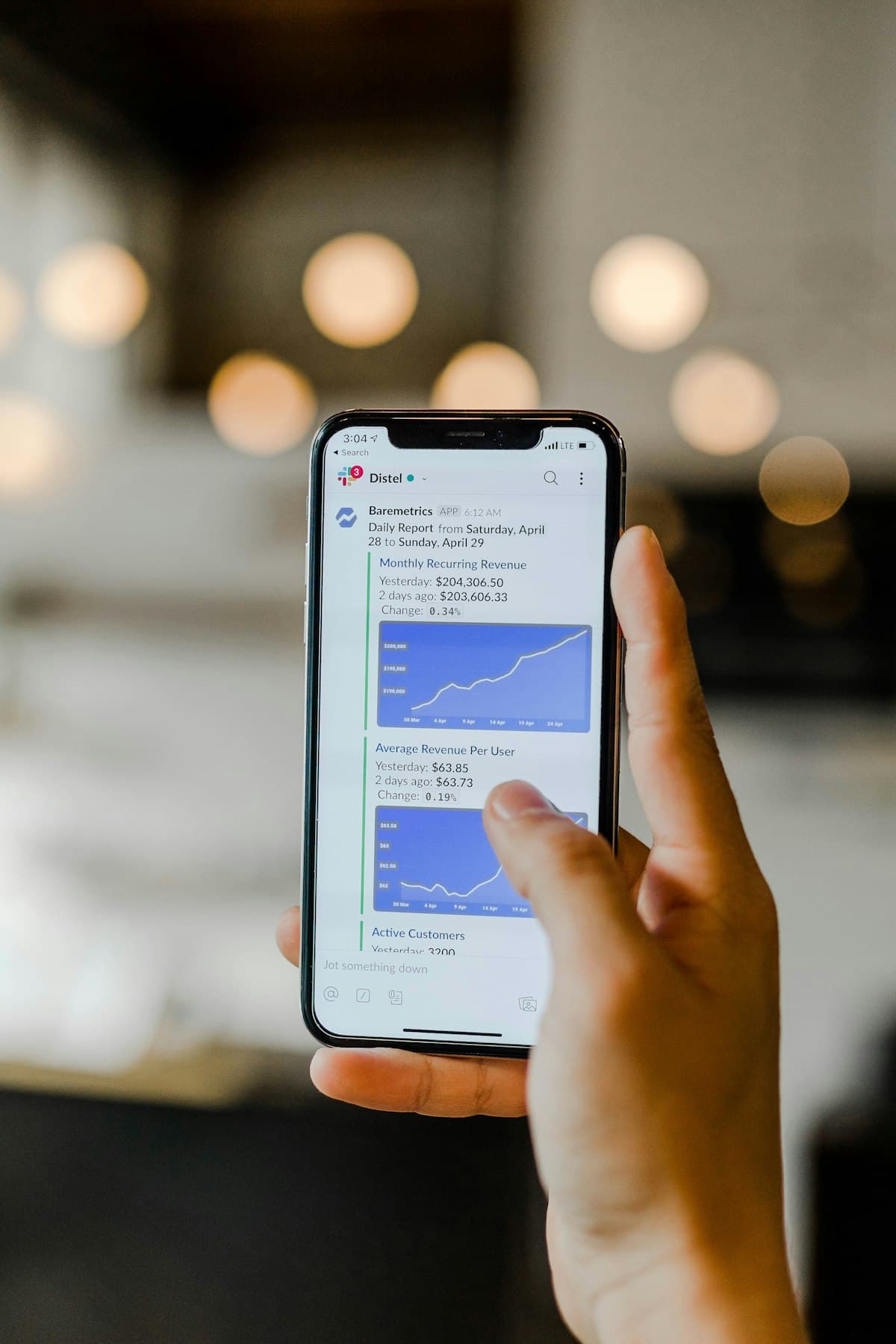
The traditional ecommerce growth path looks like this: hit $50K a month and hire a marketer, hit $100K and add support, hit $200K and bring on an operations manager. By $500K a month you have five to eight people, a large payroll, and most of your time goes to managing people instead of growing the business.
There is another path: an automation-first approach where technology handles the operational scaling while you focus on strategy, brand, and product. This walks through that playbook, phase by phase. The figures below are illustrative, meant to show the shape of the model rather than one audited store.
Phase 1: stabilize ($50K to $100K a month)
Before you can scale, you need a stable foundation. At $50K a month, most sellers are held together with duct tape: manual processes, an inconsistent customer experience, and no clear view of real profitability.
Priority actions:
- Know your numbers. Calculate true per-SKU profitability including COGS, shipping, returns, payment processing, and allocated ad spend. Kill or fix any SKU with a negative contribution margin.
- Set up the four essential email flows. Welcome, abandoned cart, post-purchase, and win-back. These typically generate a meaningful share of email revenue on autopilot.
- Automate customer support. Deploy AI support to handle order status, return requests, and FAQs. This can clear the majority of routine tickets immediately.
- Consolidate your tool stack. Audit every subscription. If it costs more than it saves, cut it. Aim for a handful of tools, or better, one unified platform.
SaaS costs fall as several point tools consolidate into fewer platforms.
Support hours drop sharply as an AI assistant absorbs routine tickets.
Email climbs from a small slice of revenue to a much larger one as automated flows come online.
Net margin improves by several points.
Illustrative only. Not real store data.
Phase 2: automate aggressively ($100K to $250K a month)
This is where most brands start hiring. Instead, double down on automation to handle the increased volume:
- AI ad management. Automate bid adjustments, budget pacing, and creative testing. At meaningful monthly ad spend, manual optimization cannot keep up with the data volume.
- Advanced email segmentation. Move beyond basic flows to RFM-segmented campaigns, predictive send times, and AI-drafted subject lines. Aim to push email past a third of revenue.
- Inventory automation. Set reorder-point alerts, demand forecasting, and low-stock notifications. A stockout on your top SKU at this scale costs real revenue every day it lasts.
- Hire one creative person. This is the one hire automation cannot replace: someone who makes ad creative, product photography, and brand content. Every other function stays automated.
Founder: strategy, product development, and key partnerships.
Creative hire: photography, ad creative, and brand content (roughly $45K to $60K a year).
Part-time VA: supplier comms, quality control, and escalated support (roughly $10K to $15K a year).
An AI platform for ads, email, support, analytics, and inventory, for far less than a single hire.
Total operational cost well below a traditional multi-person team.
Illustrative only. Not real store data.
The math of automation-first scaling depends on a platform that can genuinely take on the repetitive work of several roles, ads, email, support, inventory, and analytics, without forcing you to stitch together ten separate tools. An operating-system approach is designed to do exactly that, which is what lets a lean team (founder plus one creative plus one VA) keep scaling without getting bottlenecked on operations or hiring. StoreWiz is being built toward that shape. What is live today is the free store audit; the autonomous platform is in active development.
Phase 3: scale channels ($250K to $500K a month)
At this scale, growth comes from channel expansion, not just ad-spend increases:
- Add a second sales channel. If you are DTC-only, add Amazon; if Amazon-only, launch on Shopify. Multi-channel sellers tend to earn substantially more than single-channel ones.
- Launch on TikTok Shop. Lower acquisition costs and creator-driven discovery reach new demographics.
- Sync inventory across channels. Real-time inventory management across every channel prevents overselling.
- Expand product lines strategically. Use your analytics to find adjacent products your existing customers want, and launch new SKUs to existing audiences first.
Phase 4: optimize for profit ($500K to $1M a month)
Revenue growth is exciting; profit growth is what matters. At this scale, small percentage improvements in margin translate into significant dollar amounts:
- Negotiate supplier terms. At this scale you have volume leverage. Push for cost reductions, better payment terms, and priority manufacturing slots.
- Optimize shipping costs. Negotiate carrier rates, tighten packaging dimensions, and consider regional fulfillment to reduce zone-based shipping costs.
- Increase retention spend. Shift a share of the acquisition budget to retention. At this scale, lifting repeat-purchase rate adds substantial monthly revenue at near-zero acquisition cost.
- Introduce premium tiers. Launch higher-margin lines, subscription options, or exclusive collections to raise average order value.
Traditional vs. automation-first, side by side
Monthly revenue target: $1M in both cases.
Annual payroll: a traditional eight-person team can run $350K to $500K; a lean three-person team, roughly $60K to $80K.
Annual SaaS costs: many separate tools ($20K to $40K) versus a unified platform (a few thousand).
Management hours a week: 20 to 30 for the big team versus 5 to 10 for the lean one.
The automation-first model can save on the order of a few hundred thousand dollars a year in operating cost.
Illustrative only. Not real store data.
Automation-first scaling is less about cutting people than about replacing repetitive seats with software so the humans you keep are the strategic and creative ones.
Key takeaways
- The automation-first path can save a large amount each year versus traditional team scaling.
- Phase 1 (stabilize): know your numbers, set up email flows, automate support, consolidate tools.
- Phase 2 (automate): AI ads, advanced email, inventory forecasting, and hire one creative person.
- Phase 3 (scale): add channels, sync inventory, and expand product lines.
- Phase 4 (optimize): negotiate costs, shift to retention, and introduce premium tiers.
- A lean team at $1M a month can be founder plus one creative plus one part-time VA, with an AI platform underneath.
Frequently asked questions
Is it really possible to hit $1M a month with three people? It is possible, but it takes discipline about automation and a willingness to invest in AI tools over headcount. The founder must stay deeply involved in strategy and trust automated systems for execution. It also requires a product with strong unit economics; you cannot automate your way out of thin margins.
What breaks first when you scale without hiring? Customer experience quality is the most common failure point. If your AI support is not well tuned, quality degrades as volume grows. The second is fulfillment, which needs robust 3PL relationships rather than more internal staff. Monitor customer satisfaction weekly to catch quality drops early.
When should I start hiring a real team? Consider building a traditional team once you cross $1M a month and want to pursue opportunities that need human relationships: wholesale partnerships, international expansion, or brand collaborations. Even then, keep the automation foundation and hire for strategic roles, not operational ones.
What if automation fails during a critical period like Black Friday? Build redundancy and a contingency plan. Before peak periods, stress-test your automations at several times normal volume, document manual fallback procedures for every automated function, and keep your VA on standby. The goal is not avoiding all failure, it is recovering fast when something breaks.